Why Every Anglers Need to Own a Quality Fish Filleting Knife
Every fisherman recognizes the importance of a reliable fish filleting knife. A sharp, expertly crafted knife not only improves the productivity of preparing a catch but also maintains the condition of the meat. Essential features such as blade flexibility and comfortable handles contribute to both security and effectiveness. Yet, many overlook the particular types and care practices that can elevate their filleting experience. Understanding these elements can lead to improved results on the water.
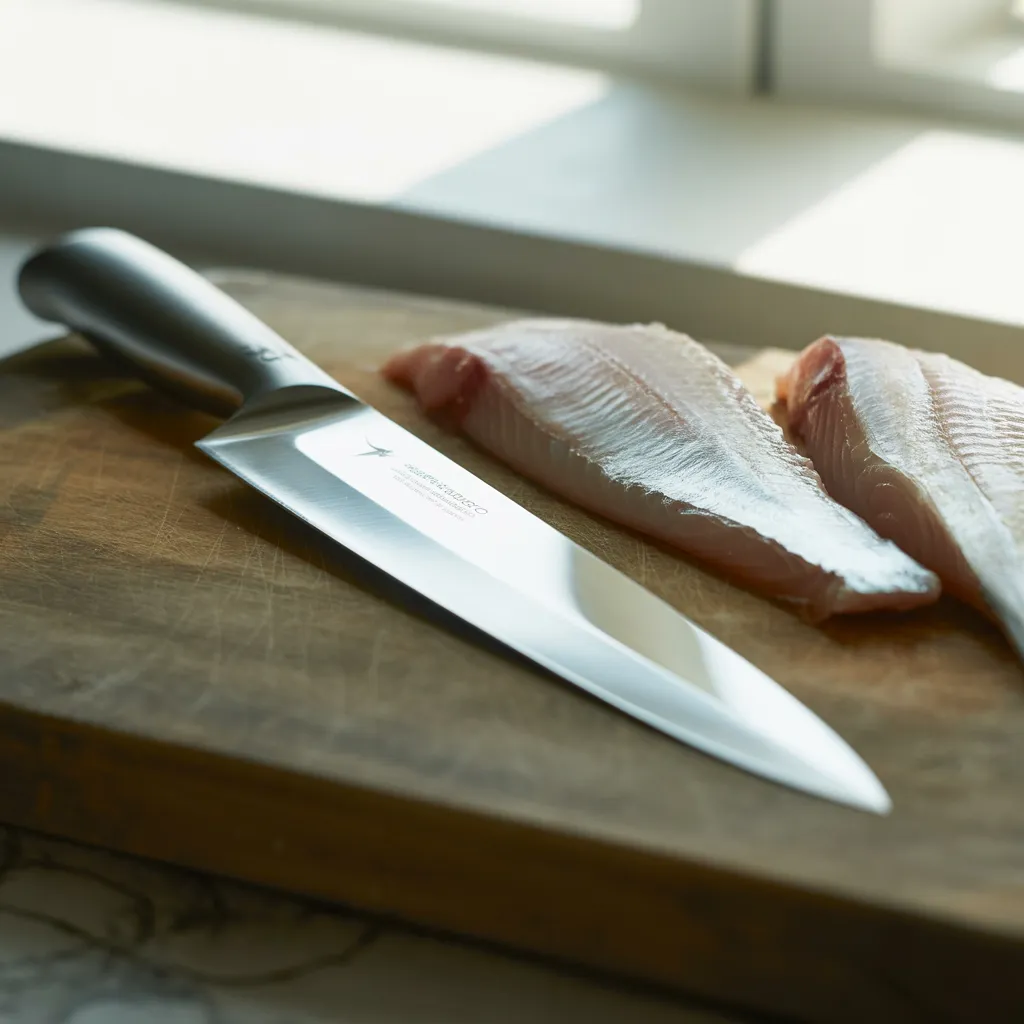
The Relevance of a Sharp Filleting Knife for Fishing Professionals
A sharp filleting knife is essential for anglers seeking efficiency and accuracy in their fish preparation. The act of filleting fish requires not only skill but also the right tools, with a sharp blade being paramount. A properly sharpened knife allows for precise slicing, minimizing waste and preserving the quality of the meat. This is particularly essential when preparing fish for cooking or storage, as blunt knives can cause tearing rather than slicing, leading to a less attractive presentation.
Furthermore, employing a sharp knife can cut down the time spent filleting, enabling anglers to process their catch quickly and resume fishing or enjoy their day. Safety is also crucial; a sharp knife demands less force, reducing the risk of accidents. Hence, investing in a high-quality sharp filleting knife is not simply for convenience but an essential aspect of responsible and productive fishing methods.
Core Aspects of a Excellent Filleting Knife
An efficient filleting knife requires thoughtful consideration of several supplementary information essential features to ensure peak results. First, the blade's composition is vital; stainless steel provides corrosion protection and durability, while high-carbon steel can provide superior sharpness. A supple blade is also vital, as it allows for accuracy when navigating the contours of fish bodies.
The blade length typically extends six to nine inches, striking a balance between control and reach. A comfortable handle is an important feature, ensuring a firm hold, even in wet conditions. Additionally, a full tang construction strengthens durability and balance, providing better leverage during use.
Weight matters as well; a lighter knife can lessen tiredness during long filleting tasks. Finally, ease of maintenance should not be neglected, as a knife that is convenient to maintain and sharpen will continue performing over time.
Multiple Categories of Filleting Knives and Their Purposes
Several types of fish knives cater to multiple demands in fish preparation. Supple blade options and appropriate knife measurements strengthen precision and management, while comfortable grip aspects guarantee satisfaction during sustained application. Understanding these considerations can markedly improve the filleting experience.
Flexible Blade Choices
Many fish filleting tools are offered, each designed with specific blade features to enhance the fish preparation process. Flexible blade options, often made from high-quality stainless steel, allow for increased maneuverability near bones and contours of the fish. These knives typically have a thinner, more flexible blade that bends readily, making them perfect for gentle filleting tasks. Anglers often prefer flexible blades for species with complex body structures, such as trout or salmon, as these knives can glide smoothly along the flesh. In contrast, stiffer blades are more suitable for larger fish, where more pressure is required. Understanding the advantages of flexible blade options guarantees that anglers can select the right knife for their specific filleting needs.
Blade Length Elements
What factors should fishers think about regarding blade length when choosing a filleting knife? Blade length greatly impacts the knife's adaptability and performance. Typically, filleting knives range from 6 to 10 inches, with shorter blades providing improved control for smaller fish, while longer blades are beneficial for larger species. A longer blade allows for more fluid, more efficient cuts, especially when filleting larger fish. However, it may compromise precision in tighter spaces. Additionally, the thickness of the blade can affect flexibility; thinner blades often provide better maneuverability. Anglers should also take into account the type of fish they commonly catch, as specific lengths cater to different species. Ultimately, selecting the appropriate blade length is essential for achieving the best filleting results.
Handle Ease Characteristics
Picking the right fillet knife requires more than just blade length; handle comfort aspects play a significant role in overall effectiveness. A expertly crafted handle can strengthen grip security and reduce hand fatigue during prolonged use. Common materials include rubber, wood, and synthetic composites, each offering varied tactile experiences. Ergonomic shapes support natural hand positioning, which is essential for precision tasks like filleting. Additionally, textured areas can prevent slipping, particularly when the knife is wet. Some models even feature finger guards for added safety. Ultimately, a comfortable handle allows anglers to work productively and confidently, ensuring high-quality fish preparation while minimizing the risk of accidents. Consequently, handle comfort is fundamental to selecting an ideal filleting knife.
How a Excellent Knife Simplifies Cleanup
A excellent fish filleting knife can greatly streamline the cleanup process, as its sharp blade and ergonomic form diminish the mess created during filleting. The precision of a masterfully made knife allows for clean, efficient cuts, limiting the risk of scales and entrails scattering across the workspace. This minimizes the hours spent cleaning after the task is complete.
Furthermore, many filleting knives are crafted with materials that are simple to maintain, resisting rust and odors that can persist on inferior blades. The lightweight nature of these knives enables easy handling and control, allowing anglers to fillet fish quickly and accurately, thereby containing any debris in one area. Ultimately, a premium fillet blade not only improves the filleting process but also simplifies the subsequent cleaning, making it an vital instrument for any angler committed to keeping a tidy workspace.
Advice on Maintaining Your Fish Filleting Knife
Maintaining a fish filleting knife is essential for optimal performance and longevity. Regular honing guarantees a clean cut, while correct cleaning techniques help avoid corrosion and damage. Implementing these practices can significantly improve the knife's effectiveness over time.
Regular Maintenance Schedule
While many enthusiasts acknowledge the significance of a keen blade, creating a regular sharpening schedule is crucial for guaranteeing the longevity and performance of a fish filleting knife. A steady approach to sharpening not only maintains the knife's edge but also enhances the accuracy and ease of filleting. Preferably, anglers should assess the blade's sharpness after each use and sharpen it as needed, striving for a schedule that allows for maintenance every few trips. Using a whetstone or honing rod can help preserve the edge without removing excessive material. Additionally, noting specific conditions, such as the types of fish filleted or the frequency of use, can inform when sharpening is necessary. This preventative care ultimately contributes to a more productive and pleasant fishing experience.
Best Housekeeping Procedures
After honing, proper washing techniques play a crucial role in the maintenance of a fish filleting knife. To ensure longevity and performance, anglers should rinse the knife immediately after use to remove any fish residue. Using warm, soapy water and a soft sponge is recommended; abrasive materials can scratch the blade. It is vital to avoid soaking the knife, as prolonged exposure to water can lead to rust. After cleaning, the knife should be thoroughly dried with a soft cloth. Additionally, applying a light coat of mineral oil can protect the blade from moisture. Regular inspection for signs of wear or damage is also advisable, as it helps maintain the knife’s effectiveness and safety during use.
Using Your Filleting Knife Safely with Correct Method
Using a fillet knife safely is vital for both efficiency and injury prevention in the kitchen. Proper grip is critical; the handle should be held firmly while allowing the blade to move freely. Anglers must ensure their workspace is neat and well-lit to lower risks. It is advisable to use a cutting board that provides stability, preventing slips that could lead to accidents.
When preparing fish, the blade should always be directed away from the body to reduce the chance of cuts. Additionally, wearing protective gloves can offer an extra layer of protection. Frequently honing the knife enhances control and reduces the effort needed, thereby lowering the risk of accidents.
Be sure to place the knife in a suitable storage sheath, keeping it out of reach from children and pets. Following these safety practices will contribute to a more pleasant and protected filleting experience.
Premier Filleting Knives for Every Angler
Determining the correct fillet blade can markedly elevate an angler's experience and efficiency in cleaning fish. For novices, a adaptable option like the Rapala Classic Fillet Knife presents a perfect combination of flexibility and durability, making it suitable for various species. Mid-level anglers may opt for the Dexter-Russell Fillet Knife, praised for its grip and premium blade, delivering superior precision. For expert anglers, the Wüsthof Classic Fillet Knife shines for its outstanding quality and extremely sharp blade, allowing for detailed cuts.
Electric fillet knives, such as the Bubba Cordless Electric Fillet Knife, cater to those looking for speed and convenience, particularly with bigger fish. Ultimately, the finest fillet knife differs based on personal requirements, tastes, and the types of fish being prepared. putting money in a high-quality fillet knife not only improves efficiency but also enhances the overall fishing experience.
Regularly Posed Questions
How Do I Select the Appropriate Size Filleting Knife for My Needs?
Deciding on the correct size filleting knife involves considering the fish species you typically catch, your preferred cutting techniques, and your individual comfort preferences. A extended blade is suitable larger fish, while a brief blade offers accuracy for smaller species.
Can I Utilize a Filleting Knife for Other Types of Fish?
Yes, a filleting knife can be employed for many types of fish. Its flexible edge and keen blade make it ideal for different varieties, improving cutting performance and ensuring precise cuts independent of fish size.
What Represents the Superior Approach for Safeguarding My Filleting Knife?
The greatest technique to store a filleting knife is in a protective sheath or a custom knife rack. Maintaining it dry and distant from moisture reduces rust, while a protected spot maintains safety and extended blade life.
How Often Should I Exchange My Filleting Knife?
A fillet knife should be updated every 1 to 3 years, taking into account use and care. Routine honing and proper care can boost its service life, but fall off in effectiveness indicates it's necessary to replace it.
Do Costly Filleting Knives Justify the Expense?
Costly filleting knives often justify their price through superior materials, quality craftsmanship, and long-lasting durability. Fishermen may discover that these attributes improve their fishing endeavor, producing better performance and longevity, making the investment justified for dedicated enthusiasts.